

The Benefits of Professional DPF Cleaning for Diesel Fleet Owners
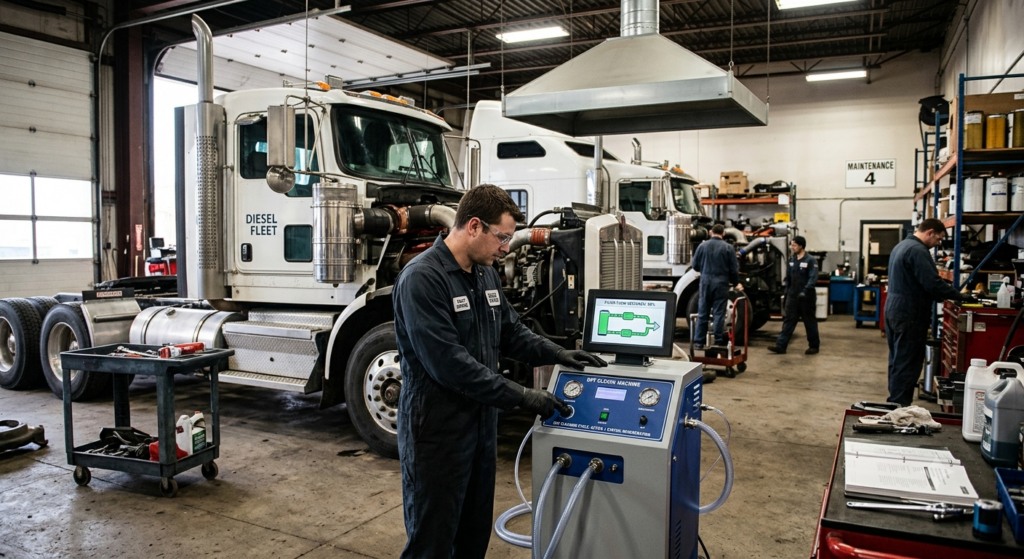
Running a diesel fleet comes with constant pressure to reduce downtime, improve fuel efficiency, and keep vehicles compliant with emissions standards. While many fleet owners focus on engine maintenance and oil changes, the diesel particulate filter (DPF) often receives attention only after warning lights appear.
Professional DPF cleaning helps fleets avoid costly repairs, extend filter life, and maintain consistent engine performance. Whether you manage a few trucks or hundreds of commercial vehicles, regular DPF maintenance can significantly lower operating costs over time.
If you’re searching for a diesel particulate filter for sale in Alberta, understanding the value of professional cleaning first may help you maximize the lifespan of your current filter before investing in a replacement.
Why Professional DPF Cleaning Matters for Diesel Fleets?
Every diesel engine produces soot during combustion. The DPF captures these tiny particles before they exit the exhaust system.
Over time, soot and ash accumulate inside the filter. While regeneration burns away most soot, ash remains trapped. Eventually, airflow becomes restricted, reducing engine efficiency.
Professional cleaning removes accumulated ash that regeneration cannot eliminate.
Without regular cleaning, fleets may experience:
- Reduced engine power
- Higher fuel consumption
- Frequent regeneration cycles
- Increased downtime
- Expensive DPF replacement
- Turbocharger stress
- Higher maintenance costs
For commercial fleets, these issues quickly multiply across multiple vehicles.
How a DPF Becomes Restricted
Understanding what happens inside the filter helps explain why professional cleaning is important.
Stage 1: Soot Collection
The filter captures microscopic carbon particles from exhaust gases.
During normal driving:
- Soot accumulates continuously
- Engine sensors monitor restriction
- Regeneration periodically burns soot away
This process works well initially.
Stage 2: Ash Build-Up
Unlike soot, ash comes from:
- Engine oil additives
- Fuel additives
- Metal wear particles
- Lubricant residue
Ash cannot burn during regeneration.
Instead, it slowly fills the DPF channels until airflow becomes restricted.
Stage 3: Increased Backpressure
As ash builds:
- Exhaust gases struggle to escape
- Turbo performance decreases
- Engine efficiency drops
- Fuel usage increases
- Regeneration becomes more frequent
Eventually, cleaning becomes necessary.
7 Key Benefits of Professional DPF Cleaning
Professional cleaning offers several advantages beyond simply removing soot.
1. Extends DPF Service Life
A quality diesel particulate filter represents a significant investment.
Routine cleaning helps:
- Remove non-combustible ash
- Restore internal airflow
- Prevent permanent damage
- Delay replacement costs
Many filters can remain in service much longer with scheduled maintenance.
2. Improves Fuel Economy
Restricted exhaust flow forces the engine to work harder.
Professional cleaning helps restore:
- Normal exhaust pressure
- Better combustion efficiency
- Reduced engine load
Possible fuel-saving benefits include:
- Improved highway efficiency
- Lower idle fuel consumption
- Reduced regeneration fuel usage
- Better engine responsiveness
For fleets driving thousands of kilometers every week, even small fuel improvements can produce noticeable savings.
3. Reduces Vehicle Downtime
Unexpected DPF failures often lead to:
- Emergency service appointments
- Missed deliveries
- Roadside breakdowns
- Schedule disruptions
Preventive cleaning allows maintenance to be planned instead of reacting to failures.
Fleet managers benefit from:
- Predictable maintenance schedules
- Better vehicle availability
- Fewer unexpected repairs
4. Restores Engine Performance
A clogged filter limits exhaust flow.
Professional cleaning can help restore:
- Acceleration
- Engine response
- Turbocharger efficiency
- Overall power output
Drivers often notice smoother operation after a properly cleaned filter.
5. Protects Expensive Engine Components
A blocked DPF doesn’t only affect the filter itself.
Excessive backpressure may place additional stress on:
- Turbochargers
- Exhaust gas recirculation (EGR) systems
- Exhaust sensors
- Fuel injectors
- Engine valves
Reducing restriction helps support the entire exhaust system.
6. Supports Emissions Compliance
Commercial diesel vehicles must meet emissions regulations.
A properly functioning DPF helps reduce particulate emissions by trapping harmful soot before it enters the atmosphere.
Regular professional cleaning helps maintain intended filtration performance.
7. Lowers Long-Term Maintenance Costs
Ignoring DPF maintenance often leads to larger repair bills.
Potential savings include avoiding:
- Premature DPF replacement
- Turbo damage
- Sensor replacement
- Engine derating repairs
- Excessive regeneration problems
Preventive maintenance usually costs less than emergency repairs.
8 Warning Signs Your Fleet Needs Professional Cleaning
Many trucks show warning signs long before complete DPF failure.
Watch for:
- Frequent regeneration cycles
- DPF warning light
- Reduced engine power
- Increased fuel consumption
- Poor throttle response
- Black smoke during acceleration
- High exhaust backpressure readings
- Engine derate mode
Addressing these symptoms early can prevent more serious issues.
What Happens During Professional DPF Cleaning?
Professional cleaning involves much more than blowing compressed air through the filter.
Typical service includes several steps.
Initial Inspection
Technicians inspect:
- External housing
- Sensor ports
- Structural damage
- Cracks
- Melted substrate
Damaged filters may require replacement instead of cleaning.
Flow Testing
Airflow testing measures:
- Restriction levels
- Pressure differences
- Cleaning effectiveness
Baseline testing helps determine the condition of the filter.
Specialized Cleaning Process
Professional equipment removes:
- Ash
- Carbon residue
- Fine particulate matter
Many service providers use:
- Thermal cleaning
- Pneumatic cleaning
- Air pulse systems
- Vacuum extraction
These methods clean internal passages that regeneration cannot reach.
Final Testing
After cleaning, technicians verify:
- Restored airflow
- Proper restriction levels
- Structural integrity
- Service readiness
This confirms the filter is functioning correctly before reinstallation.
Why Fleet Owners Should Avoid DIY Cleaning
Some maintenance methods appear inexpensive but may cause damage.
Improper cleaning methods include:
- Pressure washers
- Metal rods
- Drilling holes
- Burning with torches
- Harsh chemicals
These approaches may:
- Damage ceramic channels
- Reduce filtration efficiency
- Void manufacturer warranties
- Cause permanent structural damage
Professional equipment is designed specifically for diesel particulate filters.
How Often Should Fleet DPFs Be Cleaned?
Cleaning intervals depend on several operating conditions.
Factors include:
- Annual mileage
- Engine condition
- Idle time
- Load weight
- Fuel quality
- Oil consumption
- Route type
Vehicles operating under heavy-duty conditions may require more frequent inspections than highway trucks.
Monitoring backpressure and regeneration frequency provides a better indication than mileage alone.
4 Best Practices For Fleet Maintenance
Professional cleaning works best as part of a complete maintenance strategy.
Recommended practices include:
1. Monitor Warning Lights
Never ignore:
- DPF alerts
- Check engine lights
- Regeneration failures
Early action often prevents larger repairs.
2. Use High-Quality Engine Oil
Low-ash engine oils help reduce ash accumulation inside the filter.
Always follow manufacturer specifications.
3. Address Engine Problems Quickly
Oil leaks, injector problems, and turbo failures increase soot production.
Fixing the root cause prevents repeated DPF issues.
4. Train Drivers
Drivers should understand:
- Regeneration procedures
- Warning indicators
- Proper shutdown practices
- Reporting performance changes
Driver awareness helps identify problems sooner.
Schedule Preventive Inspections
Routine inspections help identify:
- Rising restriction levels
- Sensor issues
- Exhaust leaks
- Early filter loading
Preventive maintenance minimizes unexpected downtime.
When Cleaning Is No Longer Enough
Not every filter can be restored.
Replacement may be necessary if the DPF has:
- Melted substrate
- Severe cracking
- Physical impact damage
- Excessive contamination
- Structural failure
Professional inspection helps determine whether cleaning or replacement is the most cost-effective solution.
For businesses searching for a diesel particulate filter for sale in Alberta, having the existing filter evaluated first can help determine whether professional restoration is still possible or if replacement is the better investment.
6 Things To Look For When Choosing the Right DPF Service Provider
Not every cleaning service uses the same equipment or testing standards.
Look for providers that offer:
- Complete inspection before cleaning
- Flow testing
- Ash removal technology
- Final performance verification
- Experienced diesel technicians
- Fleet maintenance support
Reliable documentation also helps fleet managers maintain maintenance records.
Supporting Fleet Performance with Expert DPF Care
Keeping diesel fleets operating efficiently requires more than routine oil changes. A clean DPF supports fuel economy, engine performance, emissions compliance, and reliable daily operations. Regular professional cleaning helps reduce unexpected downtime while extending the life of expensive exhaust components.
Whether your fleet includes delivery trucks, construction equipment, agricultural vehicles, or long-haul transport, preventive DPF maintenance is often one of the most cost-effective investments you can make.
End Note:
For fleet owners considering a diesel particulate filter for sale in Alberta, working with experienced specialists such as Pure DPF can help determine whether expert cleaning or replacement is the right solution for each vehicle. With proper inspection, testing, and maintenance, PureFlow DPF helps diesel fleets stay productive, efficient, and ready for the road.